Beyond Seoul : Korea's Coastal Renaissance in Jeju and Busan
K
K-Bucket Editor
Curating the best of Korea
While Seoul captivates with its urban sophistication, Korea's true soul reveals itself along the edges—where volcanic rock meets turquoise water, where fishing villages transform into artistic enclaves, and where ancient maritime traditions collide with millennial aesthetics. In 2026, the discerning traveler's itinerary demands two essential coordinates: the volcanic wonderland of Jeju Island and the port city of Busan, Korea's undisputed coastal capital.
These destinations are experiencing a cultural renaissance, where Instagram-worthy installations coexist with centuries-old traditions, and where every cliff-side café and renovated warehouse tells a story of reinvention. This is Korea at its most photogenic, most contemplative, most irresistibly shareable.
Jeju Island: Where Dreams Take Physical Form
Jeju Island has long been Korea's honeymoon sanctuary, a subtropical escape where black lava fields contrast dramatically with emerald tea plantations. But 2026 marks a decisive shift: Jeju is no longer merely a destination—it has become an experience economy unto itself.
드르쿰다: The Studio That Transcends Caffeine
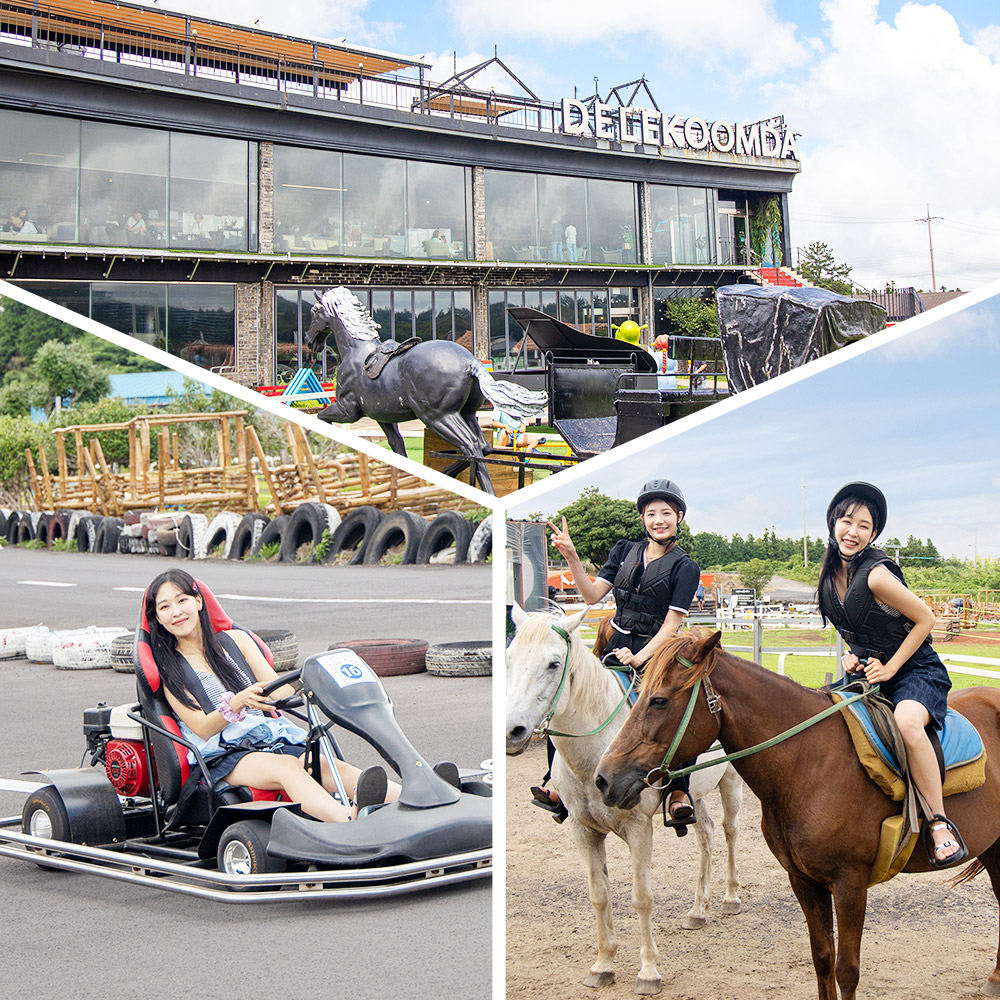
In Seongsan, near the iconic Ilchulbong 'Sunrise Peak,' stands 드르쿰다 (Dreukumda)—a space that defies categorization. Call it a café and you've undersold it. Label it a theme park and you've missed the nuance. This is what happens when Korean creativity meets unlimited budget: a surrealist playground where every corner demands documentation.
The admission model reveals its ambition: rather than charging an entrance fee, Dreukumda requires each visitor to purchase a beverage (₩6,000-9,000). What you receive in exchange is access to meticulously designed installations spanning multiple buildings and outdoor spaces—each more photogenic than the last.
Wander through rooms painted in millennial pink and mint green, where vintage furniture sits beside contemporary sculpture. Step outside to discover geometric gardens, mirror-paneled pavilions reflecting Jeju's volcanic landscape, and viewing platforms offering unobstructed vistas of Korea's southern coastline. The scale is intentionally overwhelming; plan to spend two hours minimum, camera fully charged.
"Jeju has evolved from nature destination to cultural laboratory. Places like Dreukumda represent a new Korean confidence—we're not just preserving beauty, we're manufacturing it."
— Tourism researcher, Jeju National University
The Coastal Philosophy
Beyond Dreukumda, Jeju's café culture has reached sophisticated heights. The Aewol Coastal Road—a stretch of asphalt hugging Jeju's northwestern shore—hosts a procession of minimalist cafés, each positioned to maximize ocean views. Floor-to-ceiling windows frame the East China Sea like living paintings. Volcanic stone walls pay homage to Jeju's geological heritage while serving flat whites with latte art so intricate it borders on sculpture.
The ritual is consistent: arrive before sunset, claim a window seat, order something featuring Jeju's famous green tea or hallabong (tangerines), and simply observe. This is han-yeo—leisurely contemplation—elevated to art form.
Busan: Port City, Reinvented
If Jeju represents Korea's ethereal aspirations, Busan embodies its gritty authenticity—a working port city that has spent the past decade transforming industrial decline into artistic renaissance. The result is a city where Instagram aesthetics coexist with genuine working-class culture, where gentrification feels less like displacement and more like collaborative evolution.
부네치아: Korea's Accidental Venice
In Jangrim-dong, the humble fishing village of Jangrim Port has acquired an unexpected moniker: 부네치아 (Bunechia)—a portmanteau of 'Busan' and 'Venezia.' The nickname is both playful and earned. Pastel-painted buildings in sherbet hues—coral, lavender, mint, butter yellow—cluster around a small harbor where fishing boats still dock daily.
What began as a municipal beautification project has evolved into Busan's most charming photo opportunity. The transformation respected the village's working identity; these aren't empty facades but actual residences and shops, their inhabitants now accustomed to polite tourists navigating narrow alleys in search of the perfect shot.
The optimal visiting strategy: arrive mid-morning when fishing boats have returned but before the afternoon crowds. Purchase eomuk (fish cakes) from a harbor vendor—Busan's signature street food—and wander without agenda. The magic resides not in planned compositions but in accidental discoveries: a weathered door in electric blue, fishing nets drying against candy-pink walls, elderly residents observing the spectacle with amused tolerance.
Yeongdo: The Island Within the City
Connected to Busan proper by bridge, Yeongdo Island represents the city's hipster frontier—the neighborhood where artists and entrepreneurs colonize abandoned warehouses, transforming industrial remnants into specialty coffee roasters and independent galleries.
The café street here eschews uniformity. Each establishment stakes its aesthetic claim: one favors Scandinavian minimalism with white oak and exposed concrete; another leans into retro nostalgia with vinyl records and vintage speakers; a third embraces maximalism with terrazzo floors and brass fixtures. The coffee itself—often sourced from Korean roasters experimenting with Central American single-origins—justifies the pilgrimage.
But Yeongdo's crown jewel remains Huinnyeoul Culture Village—a hillside community where pastel homes cascade down cliffs toward the sea. Once slated for demolition, community activism preserved these structures, which now host art installations, intimate cafés, and some of Korea's most dramatic coastal views. The village's defining feature: a narrow walkway threading between homes and cliff edge, where visitors photograph themselves suspended between civilization and void.
The Phenomenon: Authenticity Meets Aspiration
What distinguishes Jeju's and Busan's 2026 renaissance from typical tourist development? The answer lies in a delicate balance: these spaces attract Instagram culture without succumbing to it entirely. Yes, visitors photograph everything—but they also linger, purchase locally made goods, engage with resident artists, return for second and third visits.
This reflects a broader shift in Korean tourism strategy. Rather than constructing artificial attractions, municipalities now invest in amplifying existing character—painting fishing villages in attention-grabbing colors but maintaining their function, converting industrial buildings into cafés but preserving architectural bones, encouraging artistic intervention but preventing wholesale displacement.
The result feels sustainable in ways previous tourism booms did not. These aren't theme parks masquerading as culture; they're communities adapting to new economic realities while retaining core identity. Visitors sense the difference and respond accordingly—with respect, curiosity, and loyalty.
Your Coastal Pilgrimage: A Practical Guide
Jeju-Busan Itinerary (5 Days):
Days 1-2: Jeju IslandBegin at Dreukumda in Seongsan (arrive early to beat crowds). Afternoon: explore Seongsan Ilchulbong, then sunset drinks along Aewol Coastal Road. Day two: hike Hallasan (Korea's highest peak) if weather permits, or explore Jeju's famous lava tubes and volcanic landscapes. Evening: traditional black pork BBQ in Jeju City.
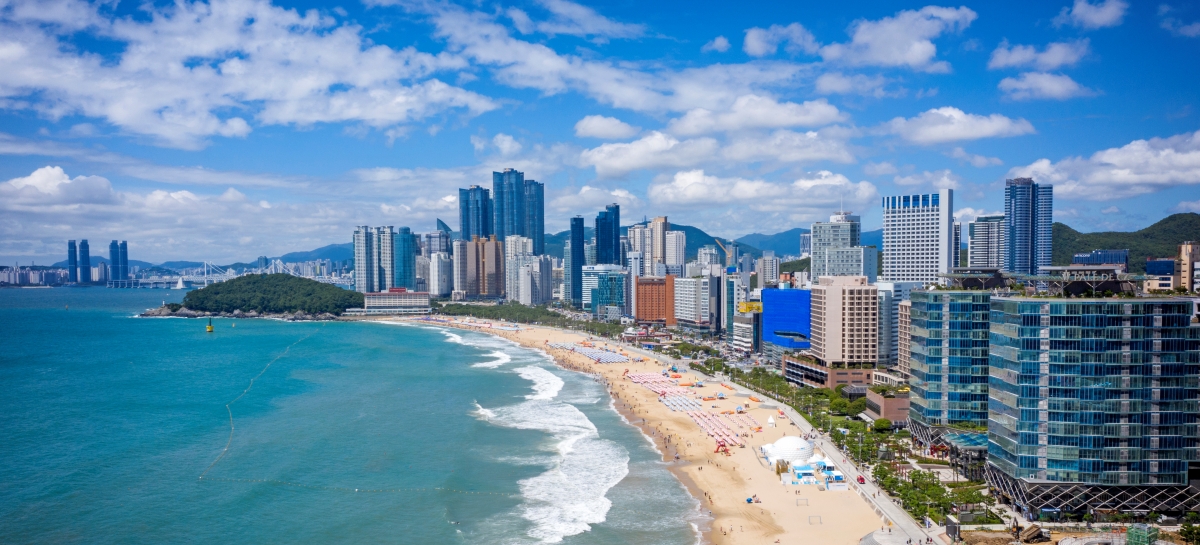
Days 3-5: BusanMorning flight to Busan. First stop: Bunechia for morning light photography. Lunch: fresh seafood at Jagalchi Fish Market. Afternoon: Yeongdo café crawl. Day four: Huinnyeoul Culture Village, followed by Taejongdae coastal park. Final day: Haeundae Beach, Gamcheon Culture Village (another colorful hillside community), and farewell dinner at a pojangmacha (street food tent).
Essential Tips:
• Transportation: Rent a car in Jeju (public transport is limited). Busan has excellent metro and bus systems.
• Timing: Spring (April-May) and fall (September-October) offer optimal weather and fewer crowds.
• Photography: Golden hour (sunrise/sunset) transforms good photos into exceptional ones. Wake early—it's worth it.
The Invitation
Korea's coastal transformation represents more than aesthetic renovation—it signals a nation's growing confidence in its own narrative. These spaces don't mimic Western café culture or Mediterranean seaside villages; they synthesize global influences with distinctly Korean sensibilities, creating something entirely original.
For travelers fatigued by over-touristed European destinations or seeking alternatives to Thailand's beach circuit, Jeju and Busan offer revelation: here is beauty without pretension, sophistication without snobbery, tradition without museum-like preservation. Here is Korea as Koreans experience it—complex, contradictory, utterly compelling.
"The best travel experiences aren't found—they're recognized. Korea's coasts have always been extraordinary. We're simply learning to see them properly."
◆ ◆ ◆
Discover Korea's Coastal Renaissance
From volcanic wonderlands to pastel fishing villages, your Korean adventure awaits beyond Seoul. Book your journey to Jeju and Busan today.
Interested in these products?
Shop directly from the official store and bring the URL back to K-Bucket!